Categories
News

IPAC writes to CROSSIEC, Requesting Commission to Conduct LG Elections

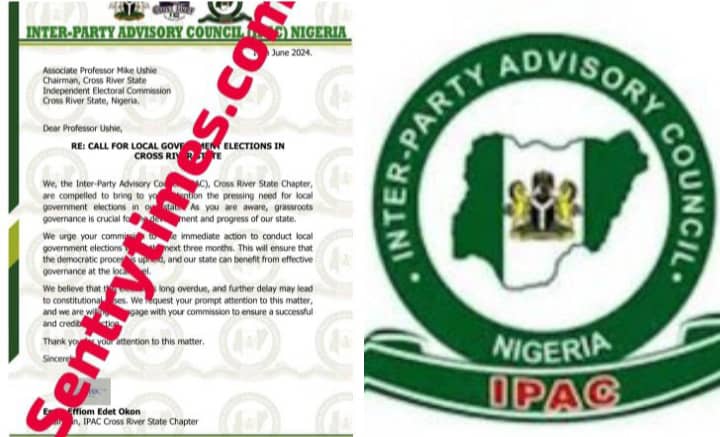
The Cross River State Chapter of the Inter-Party Advisory Council (IPAC) has written to the Cross River State Independent Electoral Commission (CROSSIEC), requesting that Local Government elections be held in recognition of the critical role of grassroots governance in the State’s development and progress.

The state chapter of IPAC, in a letter signed by its chairman, Engr. Effiom Edet Okon, urged the electoral Commission to take immediate action to conduct local government elections within three months, adding that the election will uphold democratic processes and give the state the opportunity to benefit from effective local governance.

IPAC also noted that the local government election is long overdue, and any further delay could lead to a crisis. “We request your prompt attention to this matter, and we are willing to work with your Commission to ensure a successful and credible election,” IPAC stated.

Categories
News

Asegem Enforces Logging Suspension, Seize Truckload of Wood in Ogoja

In a decisive move to enforce the recent government directive suspending logging across Cross River State, the Senior Special Assistant to the Governor on Timber Control North, Ambassador Emmanuel Asegem, has taken immediate action. Following the directive issued on June 20, 2024, by Governor Senator Bassey Otu, Asegem commenced enforcement activities the next day.

During his patrol in Ogoja on June 21, Asegem encountered a trailer truck loaded with timber heading towards Mbok. When he attempted to engage with the truck driver, the situation quickly escalated as the driver became confrontational and appeared ready to fight. Demonstrating restraint and adhering to his civil approach, Asegem refrained from escalating the situation. Instead, he contacted Lieutenant Colonel Anilesere, the Commanding Officer of Godwin Ally Cantonment in Ogoja.
Lt. Col. Anilesere responded swiftly, dispatching his team to the location. The military personnel successfully intervened, apprehending the truck and securing the timber load in the Ogoja barracks. This quick and effective action underscores the government’s commitment to enforcing the logging suspension and protecting the state’s natural resources.

Ambassador Asegem extended his gratitude to Governor Otu for his unwavering stance on the logging suspension, emphasizing the administration’s dedication to the “people first” mantra. He assured the governor and the citizens of Cross River State of his continued support and vigilance in upholding the directive.

Categories
News

Breaking: Court Nullifies Reinstatement of Sanusi as Emir of Kano

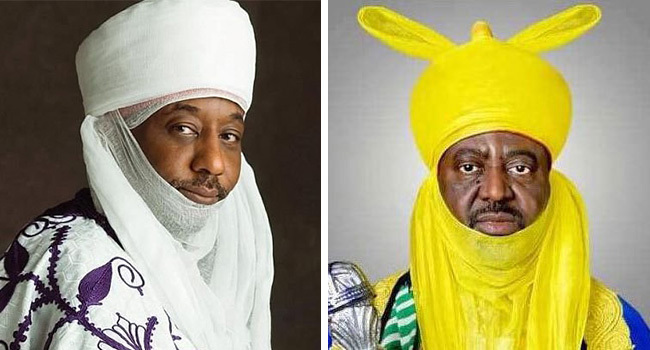
In a landmark ruling, the Federal High Court in Kano has annulled the reinstatement of Muhammadu Sanusi II as the 16th Emir of Kano. The decision, delivered on Thursday, also invalidated all actions taken following his controversial reinstatement.

Justice Abdullahi Muhammad Liman, the presiding judge, declared, “I hereby order that every step taken by the Government is nullified and becomes null and invalid. This does not affect the validity of the repealed Emirates Law, but actions taken by the Governor, which include assenting to the Law and the reappointment (of Sanusi), are void.”

Justice Liman highlighted the governor’s awareness of a court order to maintain the status quo pending the hearing and determination of motions in the court. “Having been satisfied that the respondents are aware of the court order, the court, in exercise of its powers, sets aside actions in violation of the court’s order,” he stated. “It is a very serious matter for anyone to flout court orders and expect to go scot-free.”

The judge emphasized that the chaotic situation could have been avoided if the respondents had adhered to due process and complied with the court’s directive. Instead, he noted, they chose to act on their own accord, leading to significant legal repercussions.

This ruling underscores the importance of upholding judicial orders and following due process in governmental actions.

Categories
News

Gov Otu tasks APC zonal exco to capture more south-south states

Cross River state governor, Senator Bassey Otu, has challenged his party, the All Progressives Congress (APC) to grab more states in the South South in order for the region to align with the Federal Government.

He made the advocacy during the APC South-South Zonal Executives meeting in Calabar.

“It is important to muster more and more states to the ruling APC so that our zone would be politically warm within the APC family.

“It is about endearing the people to the powerful pedigree of the actualization of our hope through passionate empathy for changing livelihood and leveraging the environment for a better today and greater tomorrow,” Otu said.

The governor, who is also the coordinator of the APC in the South-South geopolitical zone, affirmed that Edo State cannot escape the onslaught with the winning strategy encapsulated in the ‘Renewed Hope’ agenda of the Tinubu-led administration, admitting that “if we did it in Imo state gubernatorial polls, we can replicate same in Edo state.”

He called on the APC to consider the South-South for critical appointments, as only this will strengthen the party in the region as well as reward deserving party faithful.

He commended Tinubu on the Lagos-Calabar Coastal Highway, saying such development would strengthen socio-economic ties between South West and South-South regions.

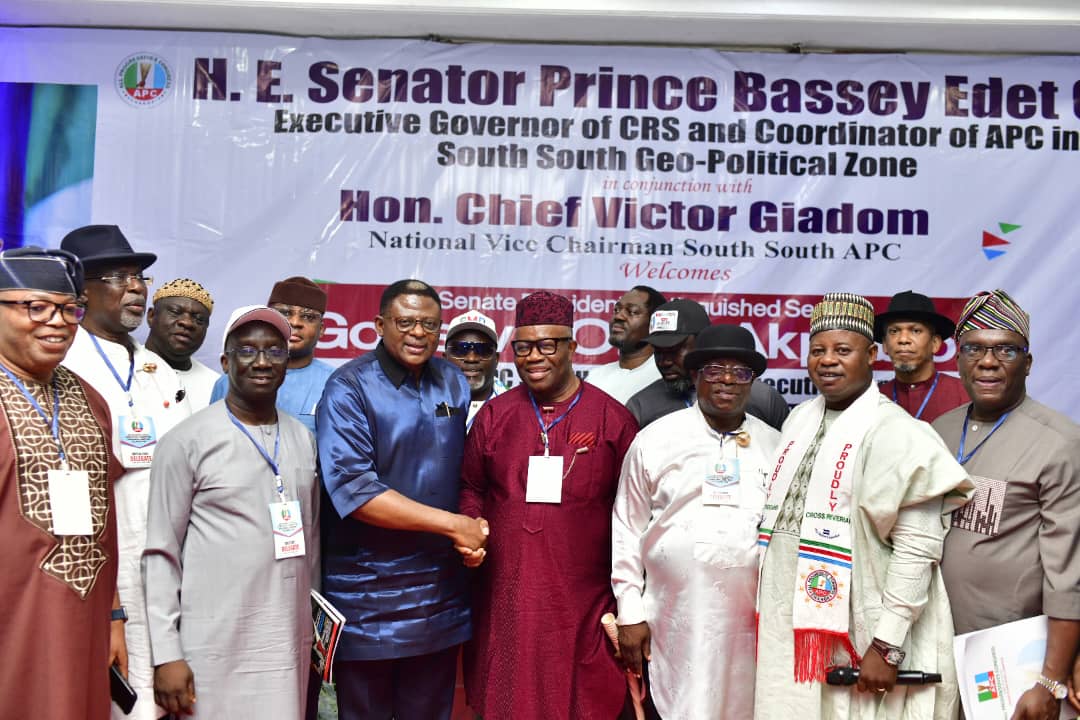
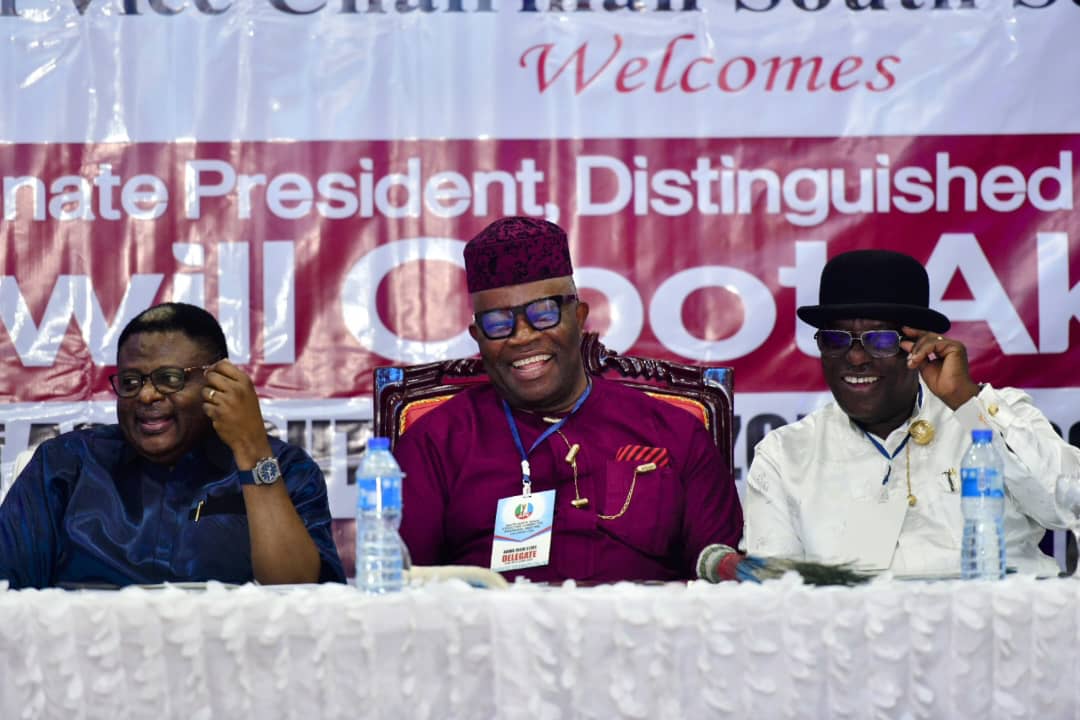
At the Exco zonal meeting were the party National Vice Chairman, South South, Dr. Victor Gaidom, Minister of Aviation, Mr. Festus Keyamo, former Deputy Senate President, Omo Agege, Cross River State Deputy governor, Dr. Peter Odey, former Senate Majority Leader, Senator Ndoma Egba, APC National Publicity Secretary, Felix Morka, Cross River State APC Chairman, Barrister Alphonsus Eba, among others.

In his remarks, the Senate President, Godswill Akpabio, thanked God for putting the South-South in the political scheme of things in the present dispensation, adding that President Bola Tinubu holds the zone dearly in his administration, especially with the commencement of work on the Lagos-Calabar Coastal Highway Project.

He said the zonal meeting was an opportunity for the APC stakeholders in the South-South to congratulate themselves on their immense contribution to the emergence of the Tinubu-led administration, attributing the return of the Senate Presidency to the zone, 45 years after Joseph Wayas, to commitment and conviction to turn things around for the nation.

“Forty-five years after Senator Joseph Wayas, it has pleased God to have me, a South-southerner, to be Senate President. My being here should be an impetus for the region to further be linked to the centre,” he stated.

Akpabio also hailed Cross River governor, Senator Bassey Otu for his impactful leadership in his first year in office, and leading the charge for a new Cross River State, describing his strides as a show of direction in leadership.

He encouraged party faithful in the South-South to continue to trust the present administration, work hard to take over the entire zone, while expressing optimism that in no distant time, APC would have a second governor in the South-South – after the party’s imminent victory at the forthcoming Edo State gubernatorial election.

Akpabio also revealed that the federal government has granted approval for the commencement of work on the Calabar axis for the construction of the six lane Lagos-Calabar coastal highway, hinting that himself and the Minister of Works will be in Calabar to flag-off the project in a fortnight.

Dr. Giadom stated that the essence of the meeting was to mobilise leadership at various levels to support the federal government’s renewed hope agenda, as well as brainstorm ahead of the Edo State governorship election, and the APC’s eventual takeover of the entire zone.

Culled from Sun News

Categories
News

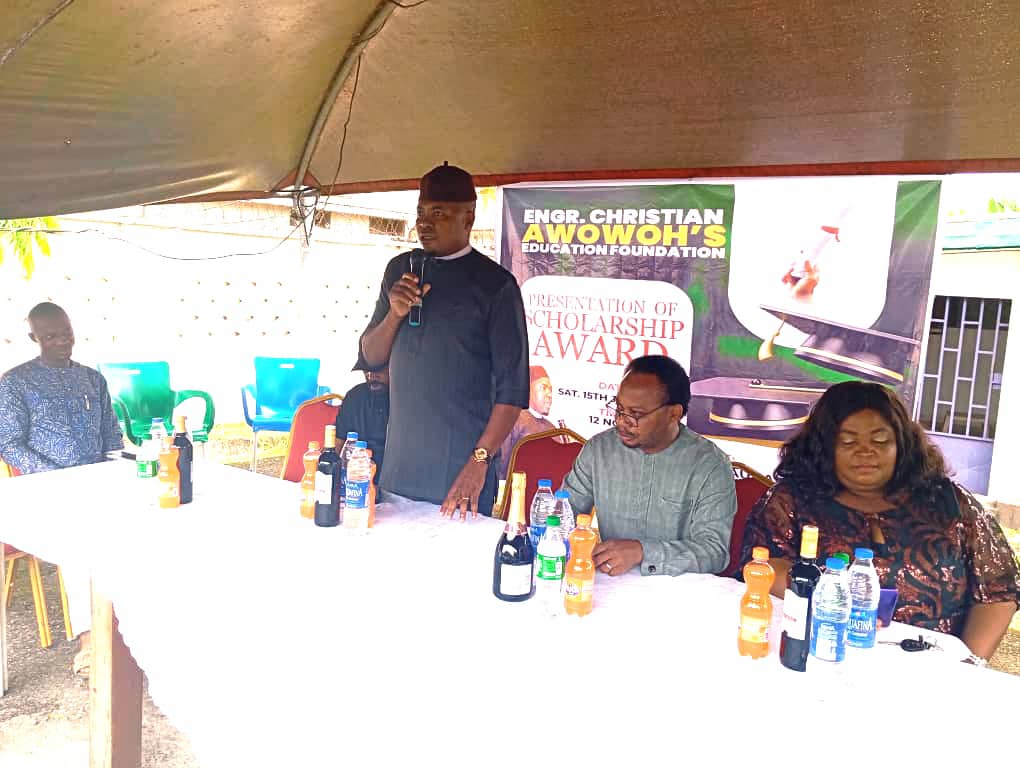
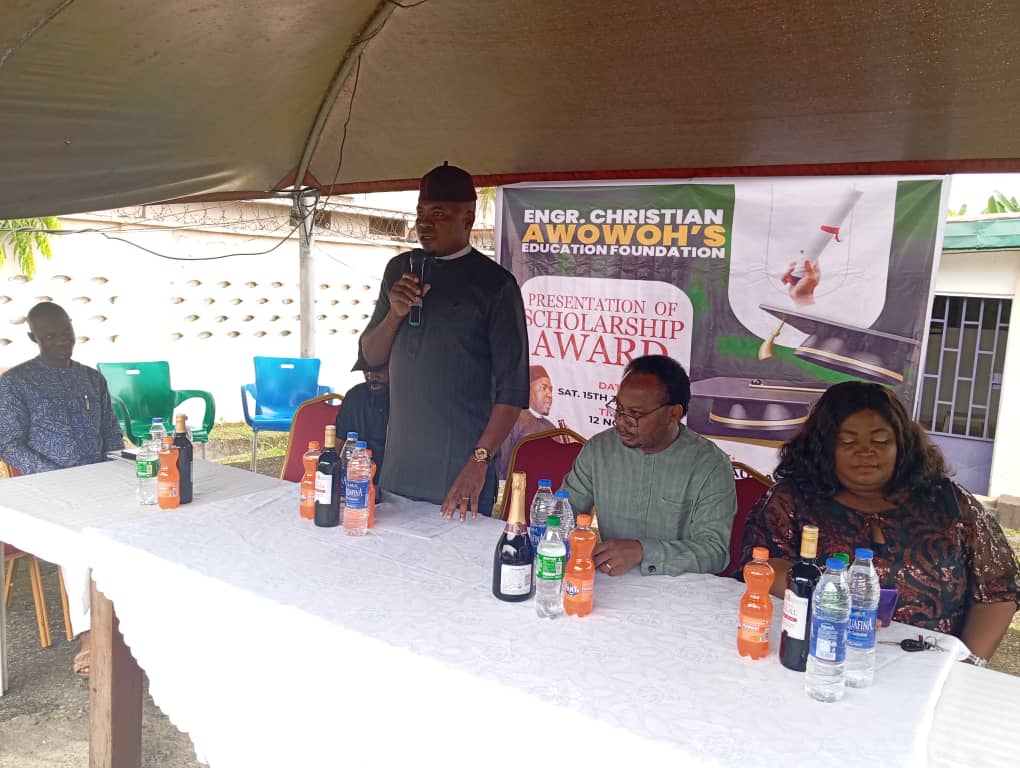
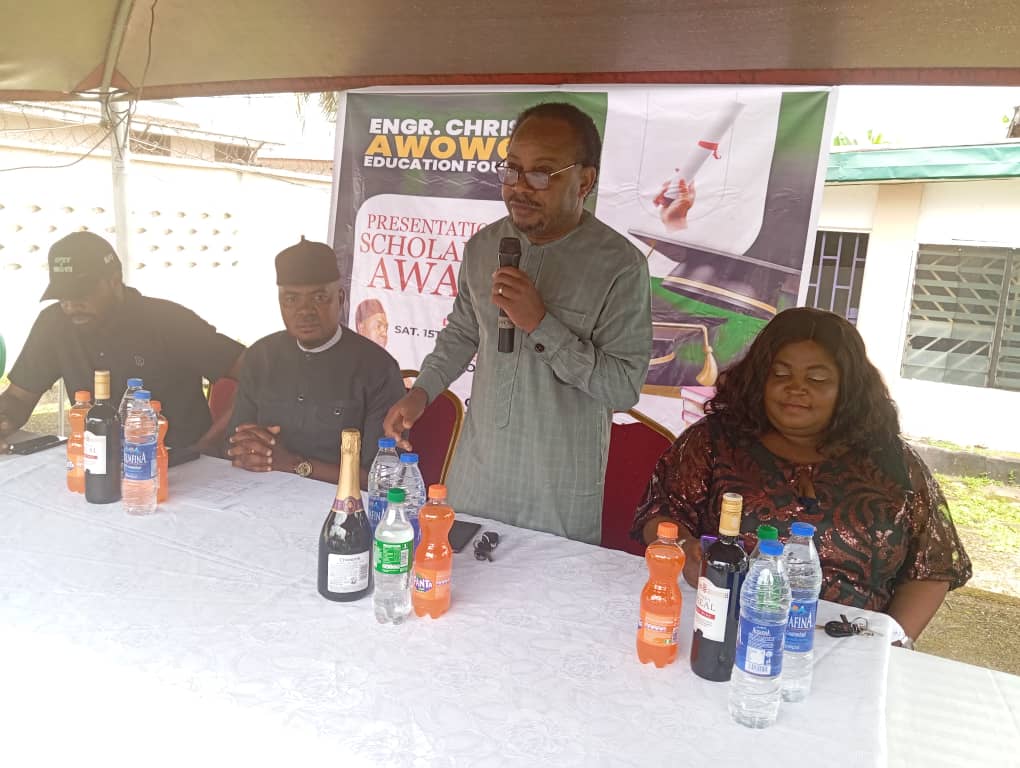
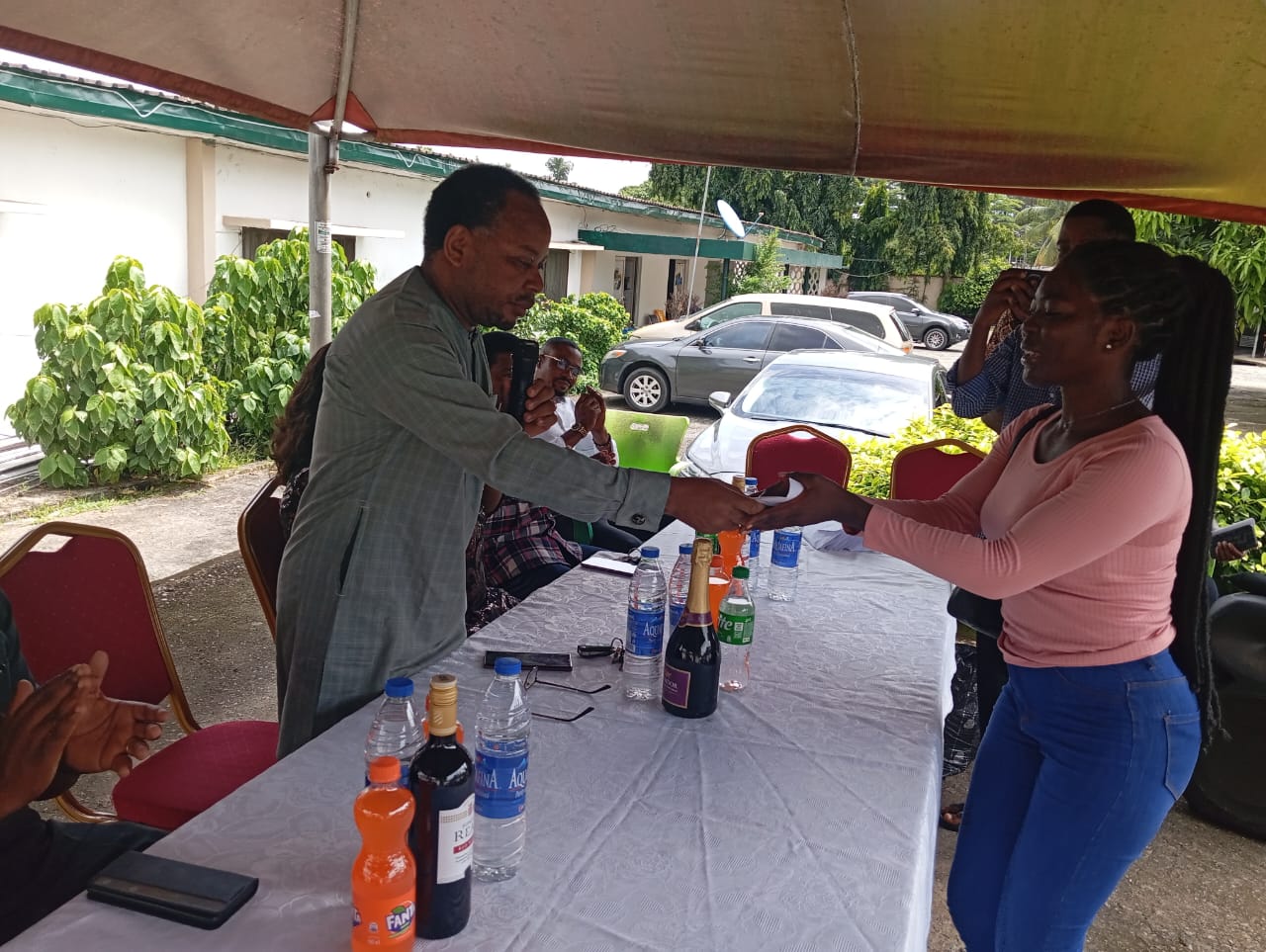
Engr Awowoh’s Foundation Presents Scholarship Grants To 55 Beneficiaries from Obanliku

The Engr Christian Awowo’s Foundation, has presented scholarship grants to successful final year students of Obanliku extraction who applied for the grant a week ago during the call for application by the foundation.

The Chief Executive Officer of the Foundation, Engr Awowoh Christian stated during the scholarship presentation on Saturday at the  Estate Chinese Restaurant in Calabar, that the scholarship grant was going to be an annual program designed to support and encourage students, parents and guardians who truly need such assistance to achieve a brighter future, adding that it was his desire to see students from Obanliku succeed in education

Going further, he urged the beneficiaries, made up of final year students at the Tertiary level to excel beyond bounds academically, assuring them that more opportunities will come in line with his foundation’s educational vision.

The Chairman of the event, Dr Godwin Amanke, while addressing the beneficiaries, commended Engr Christian Awowoh for such a laudable initiative, saying that it was a testament to his passion and unequalled commitment to the education of the Obanliku children. Dr. Amanke encouraged the beneficiaries to take their studies seriously, as this would be the foundation for their success.

The organizing committee chairman, Mr Thomas Ashibi and secretary Mr Clement Kayang in their respective remarks, expressed gratitude to the Engr Awowoh’s foundation and encouraged the beneficiaries to see the cash gift as a seed in their hands to excell and emulate thier benefactor in the future.

One of the beneficiaries, Ajiri Ruth Atuwa, thanked their benefactor, Engr Awowoh, for the scholarship grant, saying it will help them with their project research. Also, Saviour Trinity Ayang, a beneficiary, thanked the benefactor for taking the initiative to support Obanliku students, describing it as a commendable project for the advancement of Obanliku students.


Beneficiaries were chosen from tertiary institutions in Cross River State and beyond, with an equitable distribution of five (5) across the ten wards of Obanliku Local Government. The foundation awarded final-year law students #100,000 each, while others received #25,000 each. The leadership of National Association of Obanliku Students Worldwide Unical and UNICROSS chapters were both given 25,000 each.

Categories
News

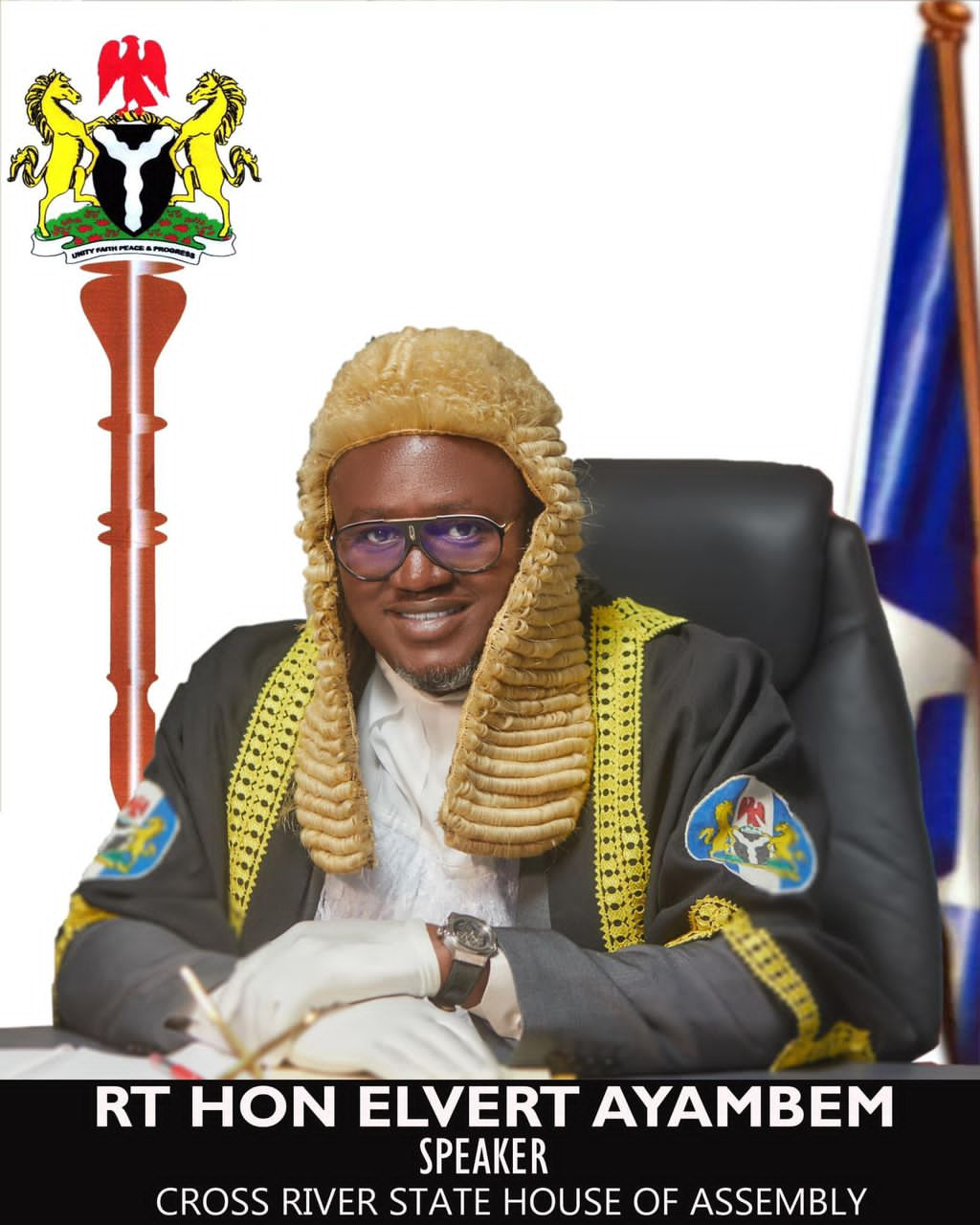
CRSHA: Speaker Ayambem’s One Year of Transformative Leadership

The 10th Assembly of Cross River State, under the leadership of Speaker Rt. Hon. Elvert Ayambem, officially began its tenure on June 13, 2023. Emphasizing a “People’s First” philosophy, the Assembly has focused on an ambitious legislative agenda aimed at catalyzing positive change while upholding principles of transparency and accountability. Throughout the past year, the Assembly has achieved significant strides in various legislative activities, with particular emphasis on pivotal sectors such as education, healthcare, infrastructure, and youth empowerment.

This legislative year has been marked by remarkable productivity, with the assembly deliberating on 22 bills and successfully passing six significant ones. These bills have effectively targeted public welfare by addressing crucial areas such as public procurement, education funding, healthcare improvement, infrastructure development, youth empowerment, and agricultural enhancement.

In addition to its legislative achievements, the Assembly has shown proactivity in addressing critical issues through the introduction of essential motions. These motions have played a pivotal role in shaping the legislative agenda and addressing specific challenges faced by the state, including issues related to road infrastructure, healthcare facilities, educational reforms, support for small and medium enterprises (SMEs), and environmental conservation.

Furthermore, the Assembly has demonstrated responsiveness to urgent public matters by passing a total of 49 resolutions to address immediate concerns affecting the populace. Notably, 39 of these resolutions have been successfully resolved, showcasing the commitment of the Assembly to promptly meet the needs of its constituents.

The noteworthy accomplishments of the Cross River State 10th Assembly encompass the passage of pivotal bills, the resolution of urgent public matters, and the unwavering dedication to the “People’s First” philosophy. With a total of 22 bills deliberated, 6 bills passed, 49 motions passed, and 39 resolutions resolved, the Assembly has made substantial progress in its first year. These achievements underscore the Assembly’s strong commitment to transparency, accountability, and development in benefit of Cross River State.
Find Details Below:
PASSED AND DELIBERATED BILLS INTO LAW
1. Public Procurement Law: This law ensures transparency in the procurement processes of the state, aiming to eliminate corruption and promote fair competition.
2. Education Development Levy Law: This law introduces a levy aimed at funding educational projects across the state, ensuring schools receive necessary financial support.
3. Healthcare Improvement Bill: Aimed at upgrading healthcare services, this bill ensures that quality healthcare is accessible to all residents.
4. Infrastructure Development Bill: This bill provides a framework for the development and maintenance of critical infrastructure.
5. Youth Empowerment and Employment Law: This law focuses on creating job opportunities and promoting entrepreneurship among the youth.
6. Agricultural Enhancement Bill: This bill supports farmers with subsidies, training, and access to modern farming techniques.

IMPORTANT MOTIONS RESOLVED
1. Motion for Improved Road Infrastructure: This motion called for the immediate repair of the Federal Highway linking Calabar to Ikom, highlighting the importance of infrastructure to the state’s economy.
2. Motion on Healthcare Facilities: A motion was passed to improve healthcare facilities in rural areas, ensuring that even the most remote parts of the state have access to quality healthcare.
3. Motion for Educational Reforms: This motion focused on implementing reforms in the educational sector, including improving teacher training and providing better facilities for students.
4. Motion to Support Small and Medium Enterprises (SMEs): The Assembly passed a motion to support SMEs through grants and training programs, recognizing their role in the state’s economic development.
5. Motion on Environmental Conservation: A motion was passed to promote environmental conservation practices, addressing issues such as deforestation and pollution.

MATTERS OF PUBLIC URGENT IMPORTANCE
1. Communal Clashes: Resolutions were passed to address communal clashes in Obudu, Obubra, and Biase, calling for immediate government intervention and conflict resolution measures.
2. Infrastructure Decay: The Assembly addressed the deteriorating state of infrastructure, such as the Federal Highway linking Calabar to Ikom, by passing resolutions for urgent repairs.
3. Erosion and Environmental Concerns: The devastating erosion at Bacoco, Nasarawa (8 Miles) in Calabar Municipality was addressed through resolutions urging the state government to implement erosion control measures.
4. Security Concerns: The kidnapping of the Paramount Ruler of Akpabuyo Local Government Area prompted a resolution for enhanced security measures and the swift rescue of the traditional leader.
5. Economic Issues: The Assembly passed resolutions addressing economic concerns, such as the need for the revocation of the concession of the Cross River State Liaison Office/House in Abuja to ensure efficient asset management.

Categories
News

C’River Assembly calls for the Removal of the State Traditional Rulers Council Chairman.

The Cross River State House of Assembly has called on the State Government to terminate the appointment of the chairman of the State Traditional Rulers Council, Barr. Dr. Etinyin Okon Edet.

Hon. Sylvester Agabi, Deputy Speaker of the House of Assembly and member representing the Obudu State Constituency, raised a matter of public urgency that received widespread support from his fellow legislators, calling for the resignation of the Traditional Rulers Council Chairman who had overstayed his term in office.

Hon. Sylvester Agabi, stated the Traditional Rulers Council Law, amended in 2009 provided for the tenure of the Chairman and members of Council. He said that according to section 4, subsect 1 of the amended law stipulates the rotation of the seat of the chairman of the council across the three senatorial districts of the state.

Hon Agabi further noted that in line with the provisions of the Traditional Rulers Council Law, the late paramount ruler of Obudu, HRM Uti Jeddy Agba, from the northern senatorial district chaired the Council for two years and handed over to HRM Eval Idaka from Abi in the central senatorial, who died in 2014 within his two years in office, and the position moved to Barr Dr Etinyin Okon Edet, the current Council Chairman from the southern senatorial district, has spent about ten (10) years in office, to the detriment of other senatorial districts.

During the plenary session, Members observed that the Traditional Rulers Council Law did not provide for the renewal of the two-year tenure. They said that even though Etinyin Okon Edet has performed incredibly well, his prolonged tenure in office is unacceptable and that he ought to step down to make room for someone from a different senatorial district. The legislators also denounced Etinyin Okon Edet’s purported interference with Governor Otu’s position as Special Advisor on Chieftaincy Affairs.

The Speaker of the Assembly, Rt Hon. Elvert Ayambem in his remark, noted that the House will uphold the law’s prescribed rotation of the Chairman Traditional Rulers Council position. He also noted that the laws of the State must be observed.

The members of the Assembly, unanimously called on the State Government to remove Barr. Dr. Etinyin Okon Edet, the Chairman of the Traditional Rulers Council, who had served beyond his two-year term for ten years. The Assembly noted that, in the interest of justice and peace, the current chairman’s position should be declared vacant for a new Chairman from a different Senatorial District.

Categories
News

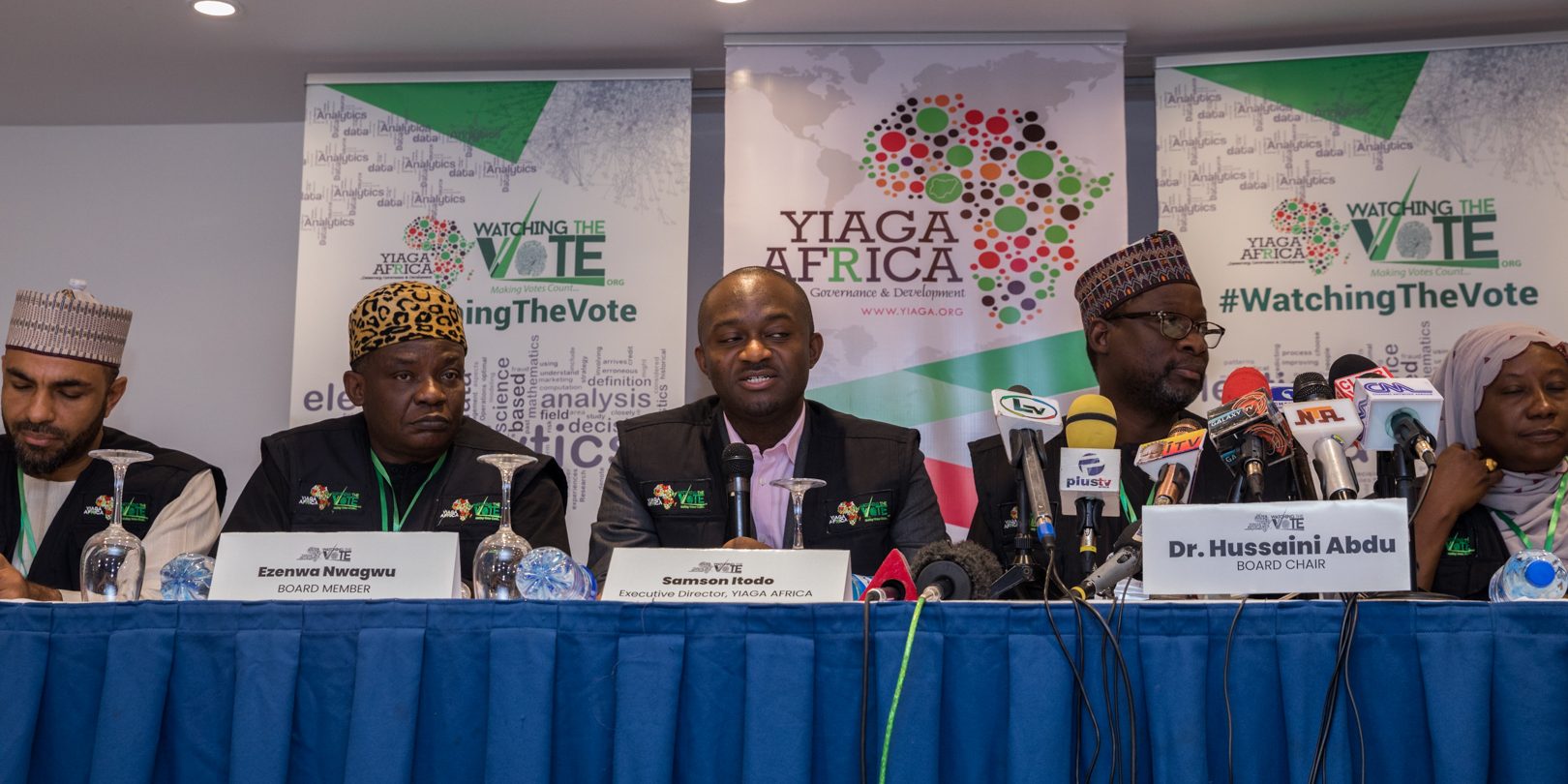
Scrapping SIECs is Counterproductive, Suffocates INEC, Says Yiaga Africa

Yiaga Africa, one of Africa’s non-profit organizations has recently noted a growing movement advocating for the abolition of State Independent Electoral Commissions (SIECs) and the allocation of the responsibility of conducting local government elections to the Independent National Electoral Commission (INEC).

YIAGA Africa, in a recent press release, emphasized that this policy proposal is fundamentally flawed and could have significant implications for Nigeria’s 25-year-old democracy if put into practice. One major concern is that it may overwhelm an already overburdened INEC, potentially resulting in poorly conducted local elections.

Additionally, the organization pointed out that this policy proposal undermines the autonomy of states as guaranteed in the Constitution, possibly leading to an excessive centralization of power in the Federal government. It was also highlighted that this move could weaken local democracy and citizen participation, as local communities would be deprived of the chance to be involved in decision-making processes.

Read full the Press Release Below

Introduction

Yiaga Africa has observed increasing calls for the abolition of State Independent Electoral Commissions (SIEC) and the transfer of the responsibility of conducting local government elections to the Independent National Electoral Commission (INEC). This policy proposal is fundamentally flawed and would have far-reaching implications for Nigeria’s 25-year democracy if implemented. First, it will overstretch an overburdened INEC leading to poorly conducted local elections. Second, it undermines the autonomy of states guaranteed in the Constitution, potentially leading to an over concentration of power in the Federal government. Thirdly, it weakens local democracy and citizens’ participation as local communities will be stripped of the opportunity to participate in decision-making.
In 2022, the National Assembly introduced a provision in the 2022 Electoral Act to regulate the procedure for LGA elections in a bid to salvage the integrity of local government elections. SIECs were compelled by the Act to conduct local elections in conformity with the procedures laid out in the 2022 Electoral Act. States have since been updating electoral laws to conform with the provisions of the 2022 Electoral Act.
Why SIECs should be retained
The abolition of SIECs contravenes the constitutional principle of state autonomy. The Constitution provides for a federal structure that ensures the devolution of powers to the states. By centralizing the conduct of local government elections under INEC, the proposal undermines this federal structure and erodes the autonomy of the states, leading to an unconstitutional overconcentration of power at the federal level.
Eliminating SIECs would weaken the state’s capacity for self-governance.
At a time, when the demand for local government autonomy enjoys national consensus, scrapping SIECs is a contradiction and it undermines the principles of federalism which hinge on the devolution of power. INEC’s current mandate is extensive and demands substantial resources and attention. The Commission is overburdened with numerous responsibilities such as conducting a significant number of elections in a general election year, including off-cycle governorship elections, bye-elections, and re-run elections. The commission is perpetually occupied throughout the electoral cycle with registration and regulation of political parties, voter registration, production of election materials and guidelines, and candidate nomination. Adding the responsibility of conducting local government elections would further strain the Commission, potentially leading to administrative inefficiencies and reduced effectiveness in managing electoral processes. This excessive burden would compromise the integrity of elections, contravening the fundamental right to free and fair elections as guaranteed by the Constitution.
Undoubtedly, SIECs have been underwhelming since the return to democracy in 1999 due to capture by state governors, weak or ineffective legal framework, underfunding and limited election administration capabilities. These factors have resulted in poorly conducted and flawed local council elections. Yiaga Africa’s position is that while the calls for abolishing SIECs are understandable, there’s no antidote to flawed LGA elections. The proposal fails to address the underlying causes of ‘electoral coronation’ masquerading as elections at the local level. Transferring the responsibilities of SIECs to INEC is akin to treating the symptoms rather than the root cause. In an electoral context defined by executive lawlessness, electoral impunity and ineffective accountability measures, abolishing SIECs would not fix the problem of bad elections at the LGA level or promote local government autonomy. Rather than scrap SIECs, the National Assembly and executive should consider implementing stricter sanctions or legislation that criminalize dissolution of local government councils including withholding federal allocation to states that fail to conduct Local Government elections or guarantee operational and financial independence of SIECs.
As a pathway to strengthening electoral democracy at the local government level, Yiaga Africa makes the following recommendations;
1. Amend the Constitution to explicitly safeguard the operational, administrative and financial independence of SIECs. Ensure that the power of the SIECs to make its own rules and regulate procedures should not be subject to the approval or control of governors, thereby protecting their autonomy
2. Address the ambiguity regarding the tenure of Local Government Chairmen and councillors through constitutional amendments to minimize arbitrary dissolutions of local governments by Governors supported by state legislatures. Establish clear timelines for making appointments into SIECs.
3. Introduce additional mechanisms for equitable devolution of power to state and local government, including laws that empower local governments with greater administrative and fiscal autonomy.
4. It is imperative for state assemblies to enact a robust legal framework for SIEC activities, including guidelines for conducting elections, dispute resolution procedures, and penalties for electoral misconduct. State electoral laws must be harmonized with the provisions of the 2022 Electoral Act to ensure uniformity and legal coherence.
5. SIECs should invest in capacity development to improve the quality of election administration at the state level. This includes training for electoral officers, acquisition of modern electoral technologies, and improvement of administrative processes.
6. Political parties, civil society organizations and media organizations should take immediate measures to conduct extensive voter education and civic engagement initiatives at the local level to encourage citizen participation in local government elections.

Conclusion
Abolishing SIECs is not a solution to flawed local government elections. Instead, addressing the underlying issues and strengthening SIECs through legal and institutional reforms will enhance local democracy and preserve the integrity of LGA elections.

Signed.
Samson Itodo
Executive Director
7th June 2024

Categories
Opinion

Minimum Wage: Way Forward After Labour’s Strategic Blunder

The minimum wage negotiation between the government and labour leaders took an interesting turn yesterday, with the federal government reportedly increasing its offer from 60k to 62k, while the labour dropped its demand from 494k to 250k.

Labour leaders made a strategic mistake by agreeing to call off the industrial action after just two days without achieving any tangible results. This decision has weakened their bargaining power and may have inadvertently undermined their credibility.

By calling off the strike without securing significant concessions, labour leaders may have created an opportunity for the government to claim victory. The government’s offer of 62k, an increase of 2k from their initial proposal, technically meets their promise of paying a wage higher than 60k. Should labour reject this and call for another strike, they’ll be met with a lot of skepticism because workers and Nigerians would not take them seriously again.

Besides, despite the harsh economic conditions, the government’s offer represents over 100% increase from the current 30k minimum wage, which is not entirely unfavourable. However, Nigerian workers deserve more, but labour leaders played into the hands of government by signing an agreement that left them in a weak position as such, cannot negotiate for more at this material time.

Similarly , the federal government’s 25-35% salary increment for its workers, in addition to the six months wage award, may have been a strategic move to preempt the minimum wage negotiations. Although not all federal government agencies have implemented the wage award, it is a significant gesture.

Labour leaders must acknowledge that their strategy has been flawed and adjust their approach in future negotiations. Even if the government decides to add anything again it’ll be at their benevolence because as far as that agreement is concerned, the government is on the driving seat and Nigerians may never accept strike again as antidote to this issue. Already, many believe that the strike action has only benefited a few in the labour unions.

However the issue turns out, going forward, instead of labour focusing solely on wage increases, they should advocate for the creation of safety nets or macroeconomic policies that can make disposable incomes livable.

As suggested by a prominent Cross River leader during a private discussion, in a deregulated inflationary regime like ours, wage rate alone cannot accommodate the needs of workers. Labour should now focus on advocating for policies like reduced pump prices, lower electricity tariffs, less taxation, and a secure environment for thriving enterprises.

It’s time for everybody to move on and wait for another negotiation in the next five years, but with better approaches and negotiators.

-Inyali Peter, Ph.D

Categories
Extra

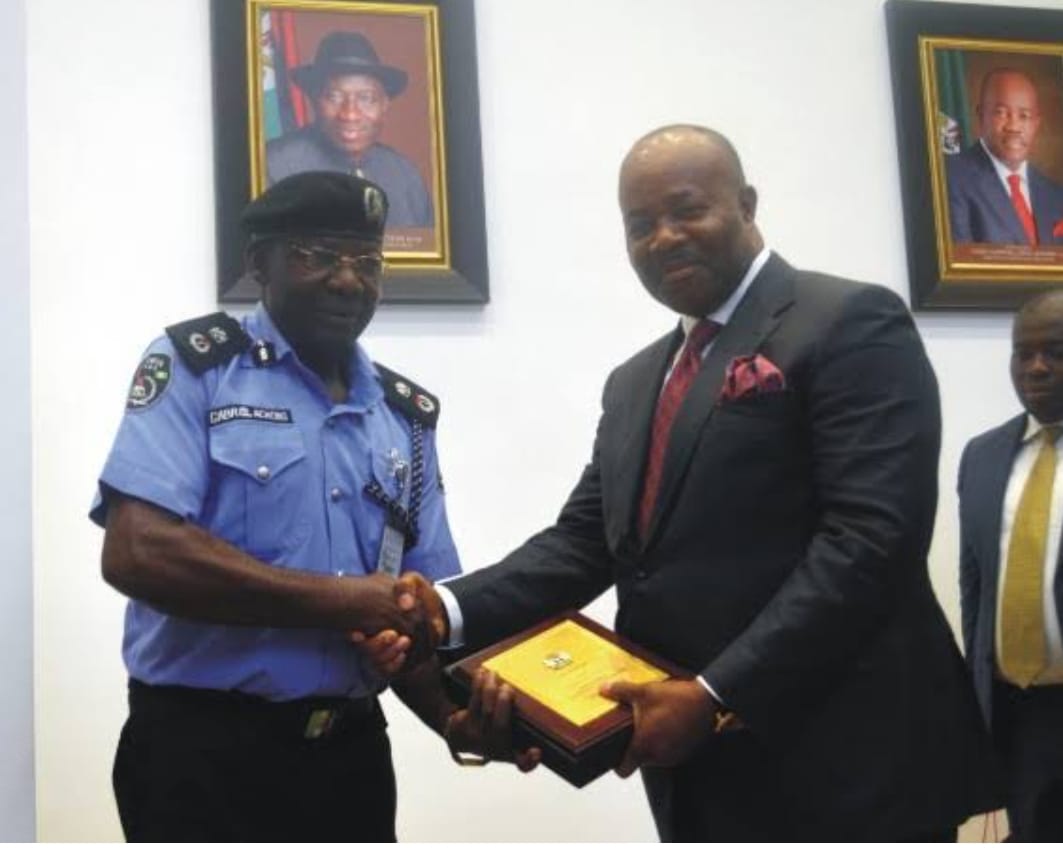
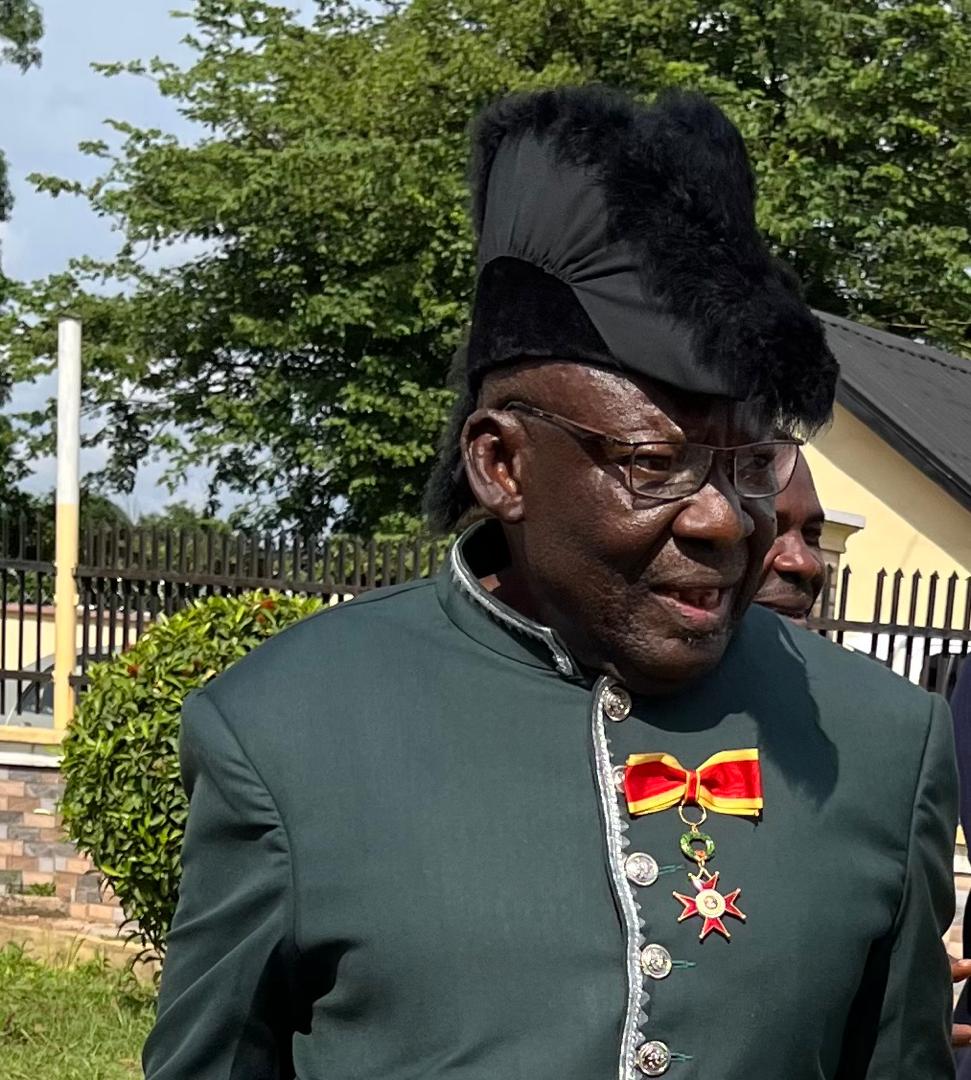
Mind Blowing Profile of CP Gabriel Omara Achong, Rtd.

CP Gabriel Omara Achong, Rtd. hails from Obosso, Mbube East, Ogoja LGA, and Cross River State and was commissioned into the Nigeria Police Force as a Cadet Inspector on August 1st 1980. He emerged as one of the Best Graduating Cadet Inspectors of the Cadet Inspector Course, Police College, Ikeja Lagos of that year.

A Nigerian and Bosnia-Herzegovina trained police officer, CP Achong is a Chevening Scholar who holds an Advance Detective Course Certificate in Crime Detection from the Police Staff College, Jos, Intermediate Command Course, Jos, Senior Command Course, Jos, a study he undertook with a high degree of professionalism. He also undertook a High Management Course at the Administrative Staff College College of Nigeria (ASCON) and a DC Promotion Course.

CP Achong was a key member of the 1997 -98 Nigerian Contingent that was deployed to the United Nations Mission in Bosnia-Herzegovina (UNMIBH) to Oversee the implementation of the Dayton Peace Agreement, Maintain peace and security, Support the reconstruction of the country, Facilitate the return of refugees and displaced persons, Assist in the organization of elections, Support the development of a new police service, Monitor and investigate human rights violations, Assist in the clearance of landmines, Support the development of political institutions and the rule of law, and Coordinate the activities of other UN agencies and organizations. During the mission, he deployed top-notch leadership excellence, professionalism, and integrity.
An officer with broad professional exposure stretching through operations, strategic management, investigation and intelligence, CP Achong served as the Station Officer, at Divisional Headquarters, Imo State between 1982 and 1984. He has at various times in his career, also served as Divisional Crime Officer at Atakpa, Rivers State 1987 to 1989), O/C fraud Prosecution, SCID, Cross River State (1989 -1992), O/C Criminal Investigation Bureau, Akwa Ibom state. (1999-2000), O/C Command Monitoring Unit -Anambra State. (2000-2002), 2i/C Area Command, Okigwe – Imo State, (2002-2003), Chief Superintendent of Police (Admin) Cross River State (2004-2005), Deputy Commissioner of Police (Admin) Zone 5, Benin Edo State (2010-2011), Deputy Commissioner of Police (Admin), Akwa Ibom State (2011-2013), Deputy Commissioner of Police (WELFARE) Force Headquarters, Abuja. (2013-2014) and Commissioner of Police Akwa Ibom State, (2014-2015).

CP Achong is an officer with a flair for intellectual engagements. He is a reform-oriented officer whose policing vision is founded on the hybrid and intertwined models of citizen engagement, and intelligence-led and technology-driven policing.

As CP in Akwa-Ibom State, Achong brought to the Akwa-Ibom Police leadership table a rich intellectual background, strategic policing exposure at the highest level of Force leadership, diverse policing knowledge, and an expansive professional network towards providing requisite leadership that positively changed the policing narratives in the Land of Promise.

He’s widely known to be a humble, hardworking and sincere police officer and an avowed believer in community policing, a strategy of policing which earned him a reputation as one of the Most Community Friendly Police Officers while in service.

While in service CP Achong displayed a high level of integrity in upholding ethical standards, honesty, transparency, accountability,
respect, empathy, fairness in enforcing the law impartially and without bias, courage,
effective communication skills, problem-solving skills, adaptability to changing situations and priorities, continuous learning, teamwork and cultural competence in the diverse cultures and communities where he served.

As a devout Catholic, CP Achong built a magnificent church and handed it over to his community, Obosso Mbube East, Ogoja LGA.

The commissioning of the church building which attracted men and women of goodwill, was an occasion for thanksgiving and profound gratitude to God for the gift of a chapel at Obosso.

The ground-breaking ceremony was also a veritable platform for people from all walks of life in Christendom to extol the marvellous works of God, especially for the provision of a befitting place of worship while thanking God also for such divine providence through the donor and benefactor, CP Achong

Achong said he built the church because he was inspired to do so for his people. He said he didn’t build the church because he had too much money but because the church would help to win more souls for God as well as re-dedicate them to Him.

He said: “What motivated me to build this church is I intend to achieve seeing my people converted and living exemplary lives; having human sympathy in them and performing their duties as at when due and let God protect them in all they do,” CP Achong added.

He is a recipient of many certificates of Commendations and Awards for professionalism, hard work and Selfless Service both within and outside Nigeria.

His hobbies include football, tennis and music.

He is happily married with Children.