

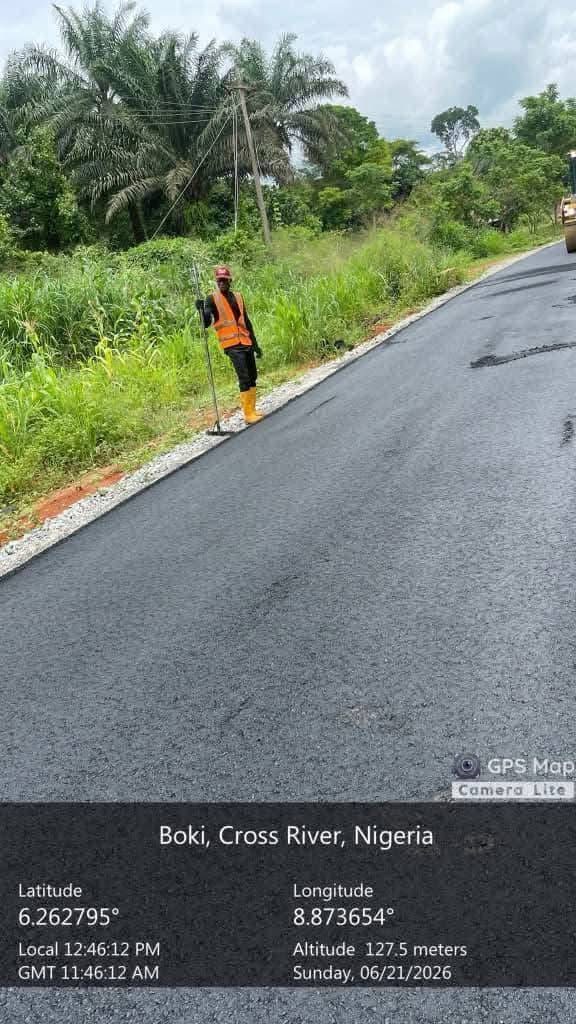
The commencement of the 17-kilometre Phase One of the Boki East-West Road project marks a significant milestone in the development history of Cross River State. For decades, the road represented one of the many unfulfilled promises made to the people of Boki, leaving communities isolated and limiting economic and social opportunities.
Successive administrations acknowledged the importance of opening up the Boki axis, yet the desired progress remained elusive. The result was years of frustration among residents who watched development discussions come and go without tangible results on the ground.
Against this backdrop, the decision by Governor Bassey Otu’s administration to undertake the construction of the road deserves recognition. Beyond its physical importance, the project carries symbolic value. It signals a commitment to addressing long-standing infrastructural deficits and restoring confidence in government promises.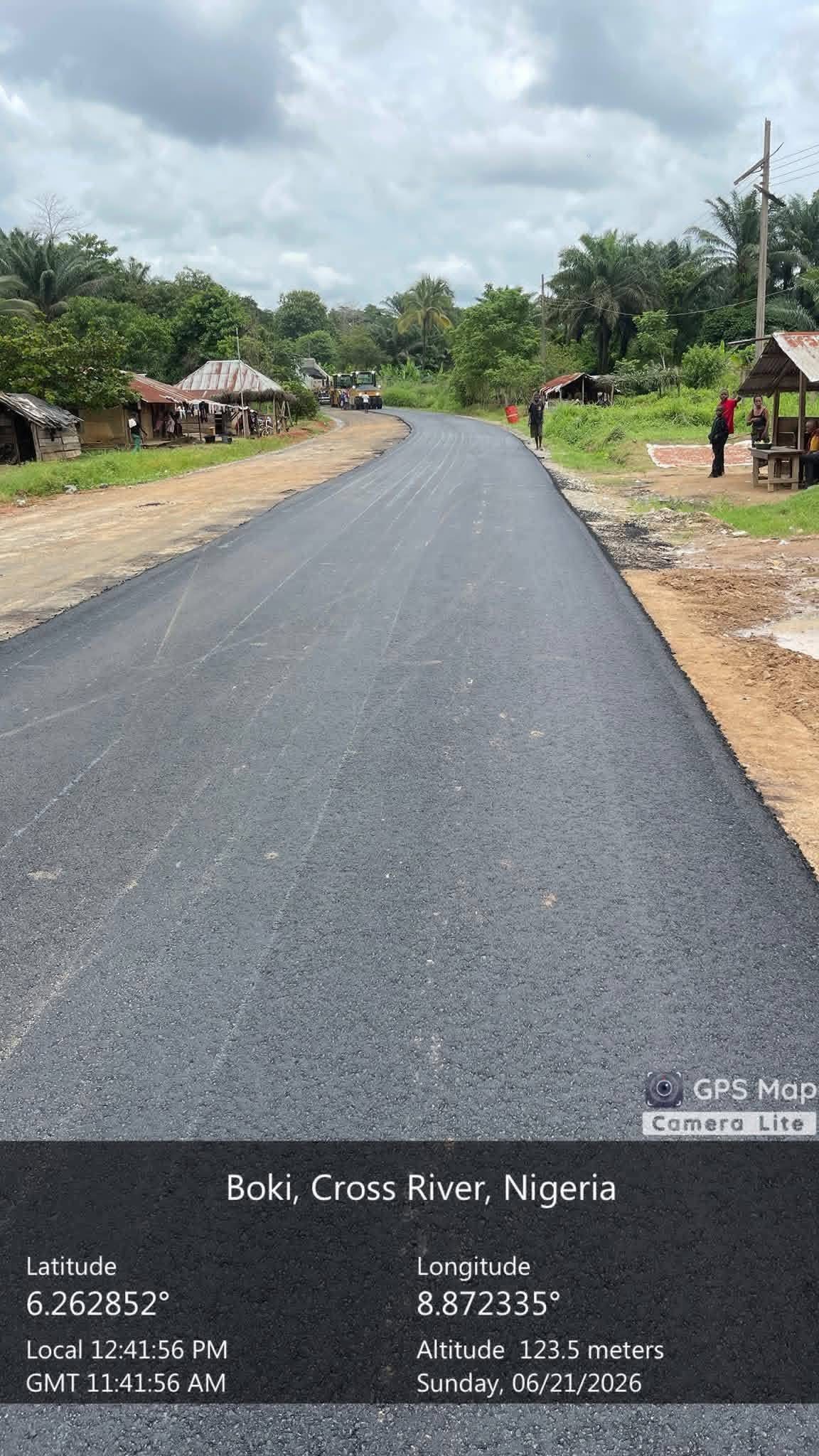
Infrastructure remains one of the most visible indicators of governance. Roads are not merely strips of asphalt. They connect communities, facilitate trade, improve access to healthcare and education, and stimulate economic activities. If completed to the required standard and sustained through subsequent phases, the Boki East-West Road has the potential to transform livelihoods and unlock the vast agricultural and tourism potential of the area.
However, while government deserves commendation for taking action, it is equally important to acknowledge that constructive criticism remains an essential ingredient of democratic governance. Critics and opposition voices play a legitimate role in holding leaders accountable, ensuring transparency, and demanding quality service delivery. Their silence or approval on specific projects should not be interpreted as surrender, just as criticism should not automatically be dismissed as hostility.
What ultimately matters is performance. Citizens are less interested in political arguments than in tangible outcomes that improve their daily lives. In this regard, the Boki East-West Road project offers an opportunity for government to demonstrate that promises can indeed translate into reality.
The project should therefore be seen not as a victory over critics, but as a victory for the people of Boki and Cross River State as a whole. Development is most meaningful when it transcends partisan divides and serves the collective interest.
As work progresses, stakeholders, community leaders, civil society groups, and the media must continue to monitor implementation to ensure quality, timely delivery, and value for public resources. Sustained oversight will guarantee that this historic intervention achieves its intended purpose.
The people of Boki have waited long for this moment. They deserve not only the commencement of the road, but its successful completion and maintenance for generations to come. In the end, good governance is measured not by political rhetoric, but by enduring projects that positively impact the lives of the people.
Denis Inakefe is a Public Relations Practitioner, writes from Obanliku LGA.