From fiscal reforms and infrastructure renewal to asset recovery and digital transformation, Governor Otu urges APC leaders to sell the People First Agenda across Cross River’s 18 LGAs and 196 wards.
Cross River State governor, Senator Bassey Otu, Saturday, presented his administration’s record of debt reduction, asset recovery, infrastructure renewal and public service reforms as evidence of progress under the People First Agenda, declaring that a second term would propel the state from economic recovery to wealth creation and shared prosperity.
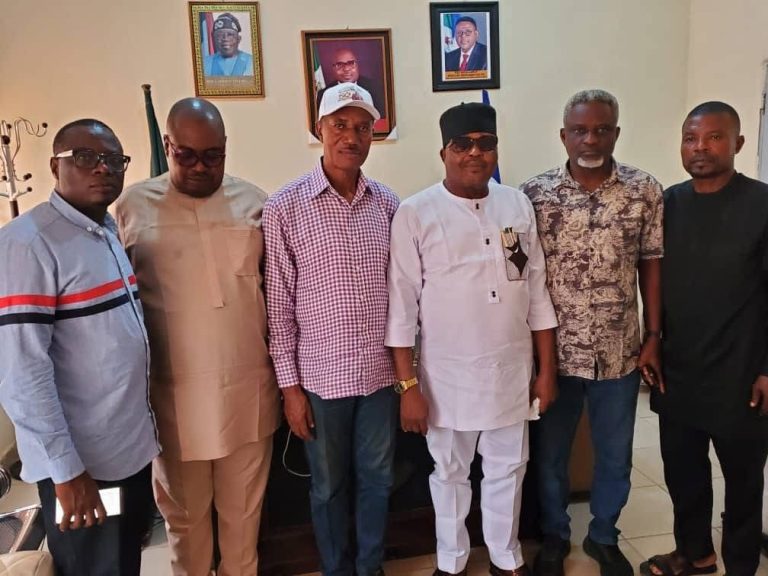
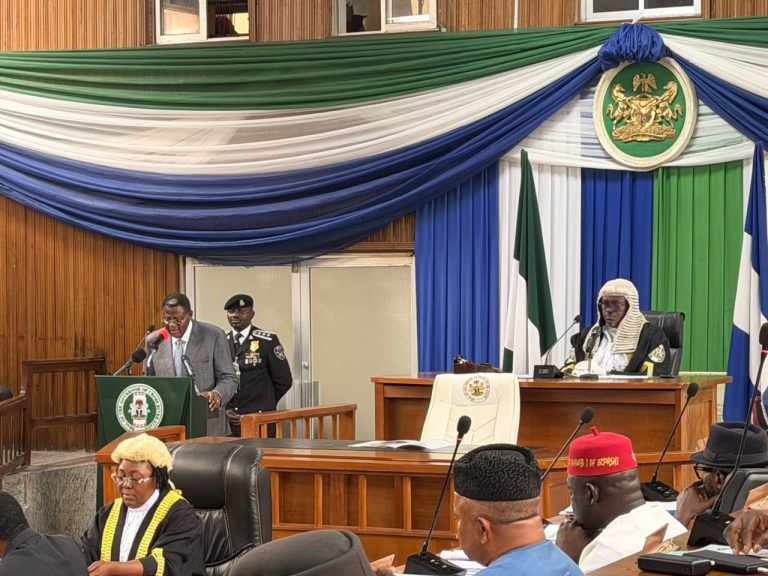
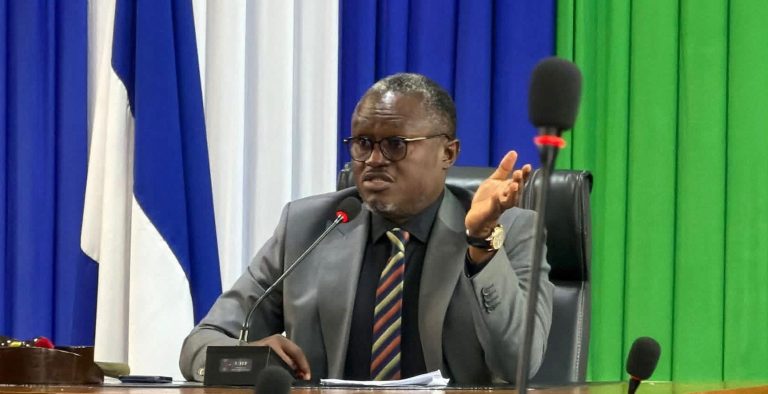
Otu made the declaration in Calabar, while inaugurating the Cross River State All Progressives Congress (APC) Campaign Council for the 2027 general elections. He charged party leaders and campaign officials to take the administration’s achievements to the electorate, insisting that continuity was essential to consolidating the foundations already laid for sustainable development.
Reflecting on the circumstances surrounding his assumption of office in May 2023, the governor recalled that the state was grappling with insecurity, a demoralised public service and underutilised public assets. “We did not promise all things in one year, but we covenanted to stop the bleeding, clear the ground, recover the losses and restore abandonments,” he said, describing the administration’s first phase as one of recovery and restoration.
On fiscal management, Otu disclosed that his government had reduced the inherited domestic debt of more than ₦204 billion by over ₦70 billion without taking fresh loans, bringing the outstanding debt to approximately ₦132.3 billion as of March 2026. He also disclosed that internally generated revenue increased from ₦21.1 billion in 2022 to ₦46.3 billion in 2024. “Every debt retired is freedom for our children and house-cleaning for fresh fiscal air,” he said, adding that improved revenue and financial discipline would strengthen investment in public services.
The governor identified the recovery of strategic public assets as another major achievement, citing the reclamation of Tinapa from the Asset Management Corporation of Nigeria (AMCON), the recovery of nearly ₦1 billion from Etung Cocoa Estates and other public assets, and ongoing efforts to reclaim the state’s oil wells and secure its interests in the Bakassi axis and proposed Deep Seaport. He also highlighted improvements in security, the lifting of the employment embargo, the restoration of more than 3,000 local government workers to the payroll and the payment of the first tranche of gratuities after nearly two decades. “The government is not just concrete — it is the people,” he said.
On infrastructure and economic revitalisation, Otu cited the reconstruction of the Obudu Cargo Airport runway, the revival of the Teachers Continuous Training Institute in Biase, the transformation of Akamkpa College into the University of Entrepreneurship and the concessioning of the Garment Factory and Obudu Ranch through public-private partnerships. He also pointed to road construction and rehabilitation, increased and expanded Cally Air fleet and operations, as well as the growing economic impact of Carnival Calabar. “Continuity is an attitude of maturity,” he said, arguing that completing inherited projects and sustaining viable investments were critical to the state’s progress.
Otu also highlighted agriculture and digital transformation as key drivers of future growth, noting investments in cocoa, rice, potatoes, palm fruits and cassava to strengthen food security and rural livelihoods. He said more than 200 kilometres of fibre infrastructure had been deployed across Calabar, over 600 residents had received ICT training, and digital platforms were improving revenue collection and public service delivery. He further cited Cross River’s selection by the World Bank GovTech Team for its 2026 AI in Governance and Public Administration Bootcamp in Seoul, South Korea, as international recognition of the state’s technological advancement.
Outlining his second-term priorities, the governor pledged to turn recovered assets into productive enterprises, complete major infrastructure projects, expand youth and agricultural enterprise programmes, establish industrial parks across the three senatorial districts and improve workers’ welfare. Urging the campaign council to engage voters across the state’s 18 local government areas and 196 wards with facts and decorum, he said: “You do not change a farmer who has cleared the farm just when it is time to plant. You do not abandon a builder who has laid the foundation when it is time to raise the roof.” He formally inaugurated the council, declaring that the campaign must be fought not for an individual, but for the future of Cross River and its people.
About The Author