
In a notable demonstration of inter-communal solidarity, the Local Government Areas of Obanliku (Cross River State) and Kwande (Benue State) convened a Peace Reaffirmation Meeting today at the Civic Centre in Obanliku. The meeting culminated in the signing of a joint peace communiqué, reaffirming the commitment of both LGAs to sustained cooperation, conflict prevention, and peaceful coexistence.
The event brought together an array of stakeholders including traditional rulers, security officials, youth leaders, political appointees, and community representatives, amid heightened focus on locally driven peace-building initiatives in Nigeria’s border communities.
Presiding over the session were the Executive Chairmen of the two LGAs, Hon. Chief (Dr.) Sunny Ayang JP of Obanliku and Hon. Neji Vitalis Terlule of Kwande, who reiterated their shared vision for peaceful relations and mutual development.
“We share not only a boundary but also a common history, cultural heritage, and bloodlines,” said Dr. Ayang. “Our commitment today is to preserve peace and foster unity. This is why I have appointed Hon. Lazarus Aza from Kwande as Special Adviser on Peace and Inter-Boundary Matters.”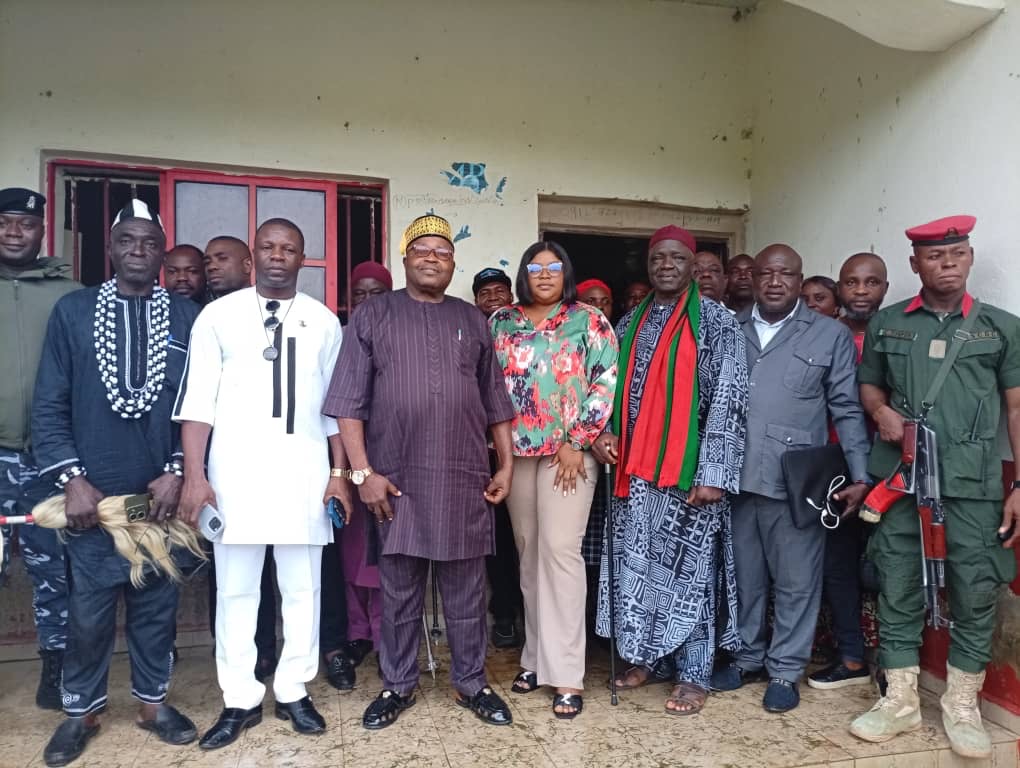
His counterpart, Hon. Terlule, described the meeting as timely and symbolic:
“This gathering represents a united front against division and conflict. Our doors remain open for continued dialogue and mutual understanding.”
In a show of cultural unity and spiritual backing, the Paramount Ruler of Obanliku, HRM Amb. (Dr.) Amos Uyimulam Item JP, and the Ter Kwande, HRH Engr. Timothy Tavershima Ahile, offered prayers and royal blessings. They urged both elders and youth to remain committed to peace, emphasizing the need for dialogue over dispute and restraint in the face of provocation.
Among the dignitaries present were Hon. Amb. Glory Awowoh, Vice Chairman of Obanliku; Chief Supol Linus Afen, Chief Regulatory Officer of Obanliku; Divisional Police Officers from both LGAs; and representatives of youth and women groups.
The signing of the peace pact was followed by the symbolic exchange of peace tokens, including kolanuts and a communal meal, traditional gestures reflecting mutual respect, reconciliation, and the shared will to sustain unity.
The Peace Reaffirmation Meeting is widely viewed as a strategic and proactive effort by local authorities and traditional institutions to safeguard regional stability and foster long-term development, particularly in border communities that have previously experienced tension.