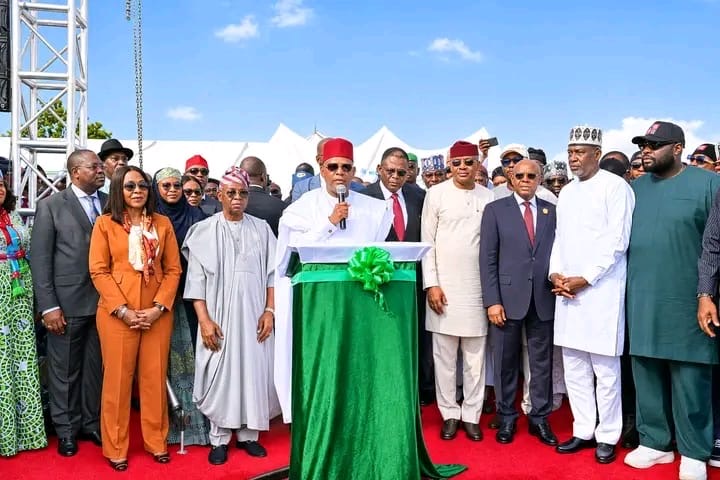
Former Greater Calabar Capital City Development Authority DG describes groundbreaking as a turning point for Cross River and Nigeria, projects massive jobs, investments and industrial growth.
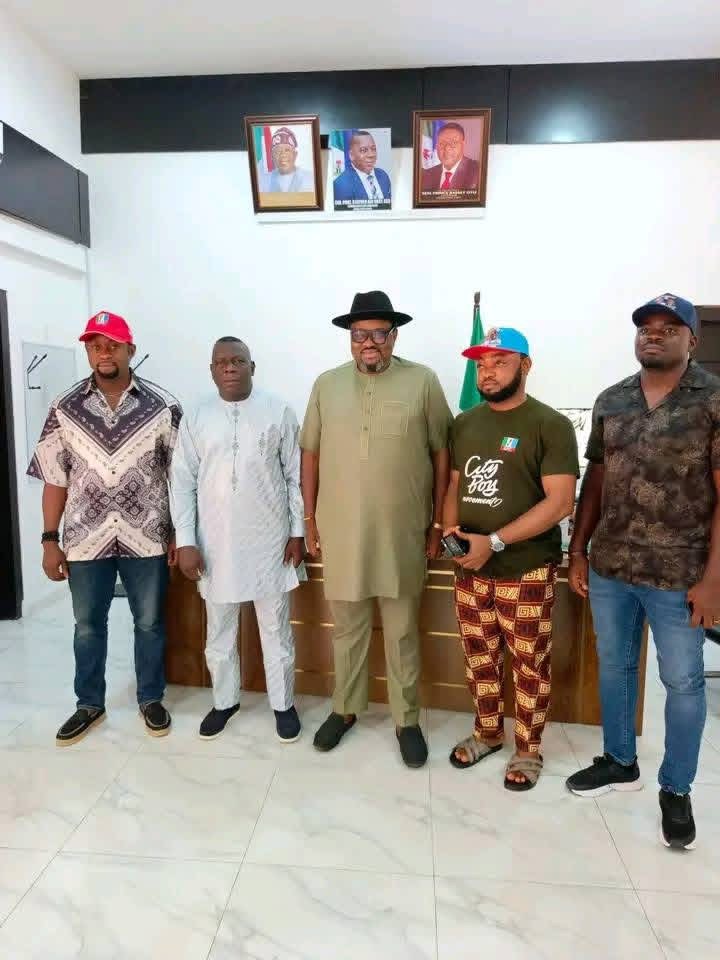
Chief Kingsley Ita Asanye Ikpeme, Pioneer Director-General of the Greater Calabar Capital City Development Authority, has congratulated President Bola Ahmed Tinubu and Cross River State Governor, Senator Bassey Edet Otu, on the successful groundbreaking of the $3.5 billion Bakassi Deep Seaport, describing the project as a historic milestone that will usher in a new era of economic prosperity and industrial development.
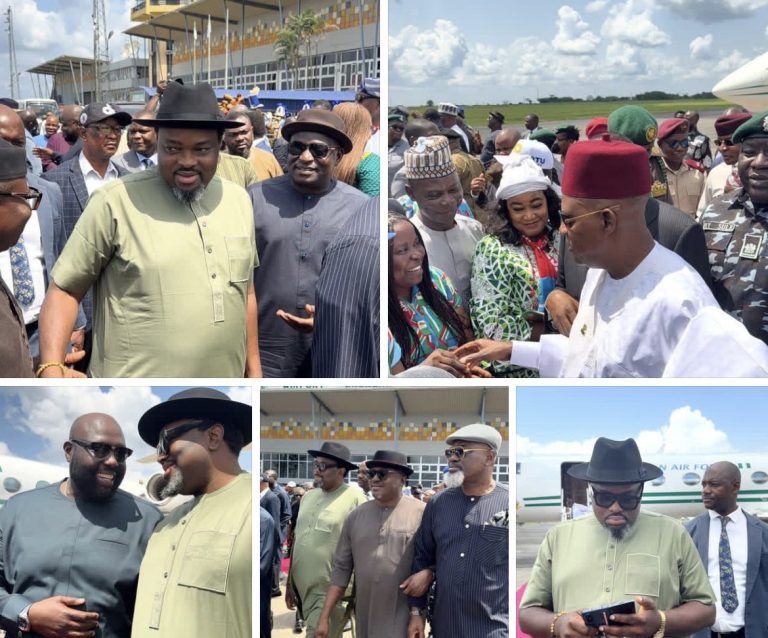
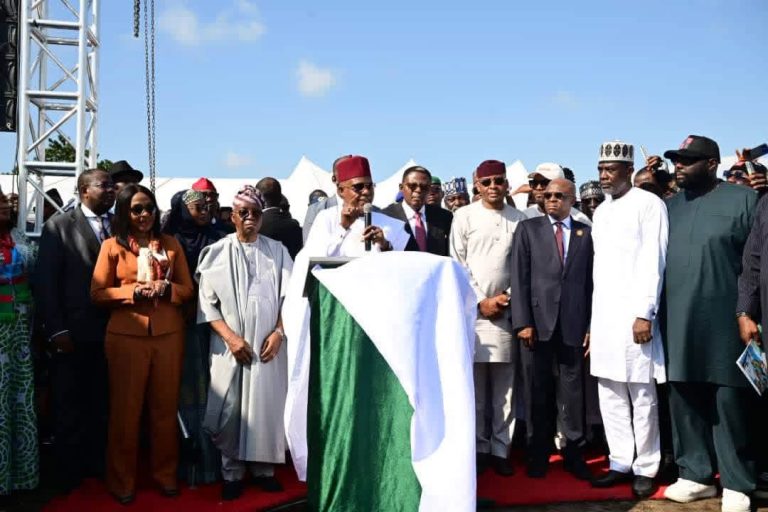
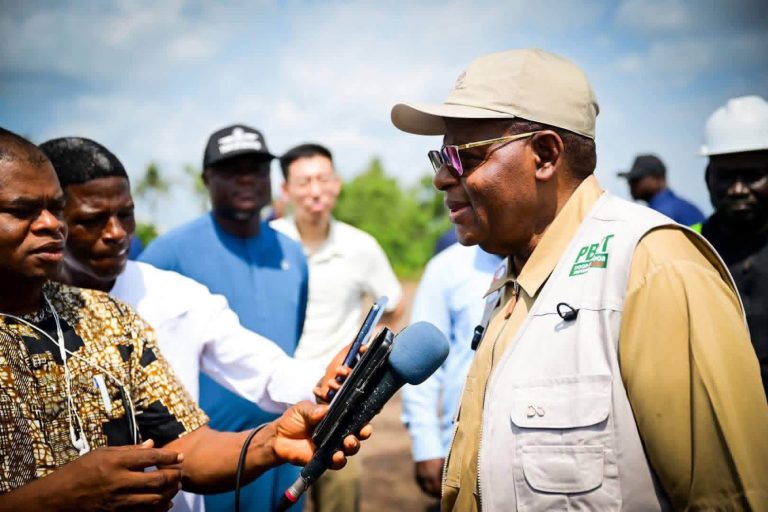
Ikpeme, in a congratulatory message following the groundbreaking ceremony held on Friday, November 13, 2026, at Ikang, Bakassi Local Government Area, said the project represents more than the commencement of a major infrastructure development, describing it as the beginning of a new economic order for Cross River State and Nigeria.
The ceremony was performed on behalf of President Tinubu by Vice President Senator Kashim Shettima, in the presence of the Minister of Marine and Blue Economy, Dr. Gboyega Oyetola, and other eminent personalities.
In his message, Ikpeme particularly commended Governor Otu for what he described as visionary leadership, strategic foresight, resilience and determination in reviving the long-awaited seaport project, which was conceived in 2014 but experienced years of institutional and administrative setbacks.
He noted that the governor’s efforts in advancing the Afreximbank financing arrangement, concluding the Public-Private Partnership (PPP) framework in February 2025, completing critical environmental and technical assessments, and pursuing federal support had helped move the project towards actualisation.
According to him, Governor Otu has not only revived a major infrastructure project but also restored hope in Cross River’s ambition to reclaim its historic position as a leading centre of commercial and maritime activities in West Africa.
Ikpeme also praised President Tinubu for providing federal backing for the project under the Renewed Hope Agenda, describing the President’s intervention as a significant demonstration of commitment to national economic diversification and infrastructure development.
He said the Federal Government’s support would help position Cross River as a strategic player in Nigeria’s maritime economy while strengthening the country’s competitiveness in regional and international trade.
Seaport to unlock massive economic opportunities
Highlighting the anticipated benefits of the project, Ikpeme said the Bakassi Deep Seaport, designed with a 20-metre draft capacity and supported by a proposed 260-kilometre superhighway, would create extensive opportunities across several sectors of the economy.
He projected significant direct and indirect employment opportunities during the construction and operational phases, noting that artisans, engineers, welders, seafarers, logistics operators and other professionals would benefit from the emerging maritime economy.
He also highlighted the human capital development potential of the project, particularly the specialised training of Cross River youths and artisans for technical and maritime-related jobs, describing it as an investment in the next generation of skilled manpower.
According to him, host communities in Bakassi, Akpabuyo, Odukpani and Calabar South stand to benefit from increased commercial activities, business expansion, improved housing, hospitality services and the growth of small and medium-scale enterprises.
Ikpeme further projected that increased economic activities around the seaport would expand the state’s internally generated revenue, creating additional resources for investment in education, healthcare, infrastructure and social development.
Investment, industrialisation and maritime expansion
On the investment front, the former development authority chief identified the port’s capacity to accommodate large vessels as a major competitive advantage, noting that it could attract cargo currently diverted to other West African ports.
He explained that the facility would complement existing Nigerian ports, ease pressure on Lagos port infrastructure and potentially reduce shipping costs, cargo delays and other expenses associated with maritime transportation.
He also identified the proposed industrial cluster and Free Trade Zone as important components of the project, with the potential to attract manufacturing, petrochemicals, agro-processing, assembly plants and export-oriented businesses.
Ikpeme said the combination of the seaport, industrial facilities and supporting infrastructure would create a broader investment ecosystem capable of stimulating economic activities beyond Cross River State.
He further noted that the project would strengthen Nigeria’s participation in regional commerce, particularly within the Gulf of Guinea and the African Continental Free Trade Area (AfCFTA), while creating opportunities in tourism, aviation, real estate, entertainment and hospitality.
A new chapter for Cross River and Nigeria
Ikpeme described the Bakassi Deep Seaport as a strategic national asset that would support Nigeria’s transition towards a diversified economy, particularly through the development of its maritime and blue economy sectors.
He also underscored the importance of improved maritime security, increased fish production and stronger regional connectivity in advancing national economic and food security objectives.
“What happened in Ikang, Bakassi, is beyond a groundbreaking. It is the planting of a seed whose harvest will be prosperity, industrialisation and shared wealth for this generation and generations yet unborn,” he stated.
He expressed optimism that the project would be completed successfully, urging sustained cooperation among the Federal Government, Cross River State Government, investors, host communities and other stakeholders to ensure its timely delivery.
Ikpeme concluded by congratulating Governor Otu, President Tinubu and the people of Cross River State, praying for the successful completion of the project and its eventual transformation into a major driver of economic growth for Nigeria.
About The Author